How to Use the Clip Tool in ArcMap for GIS Analysis

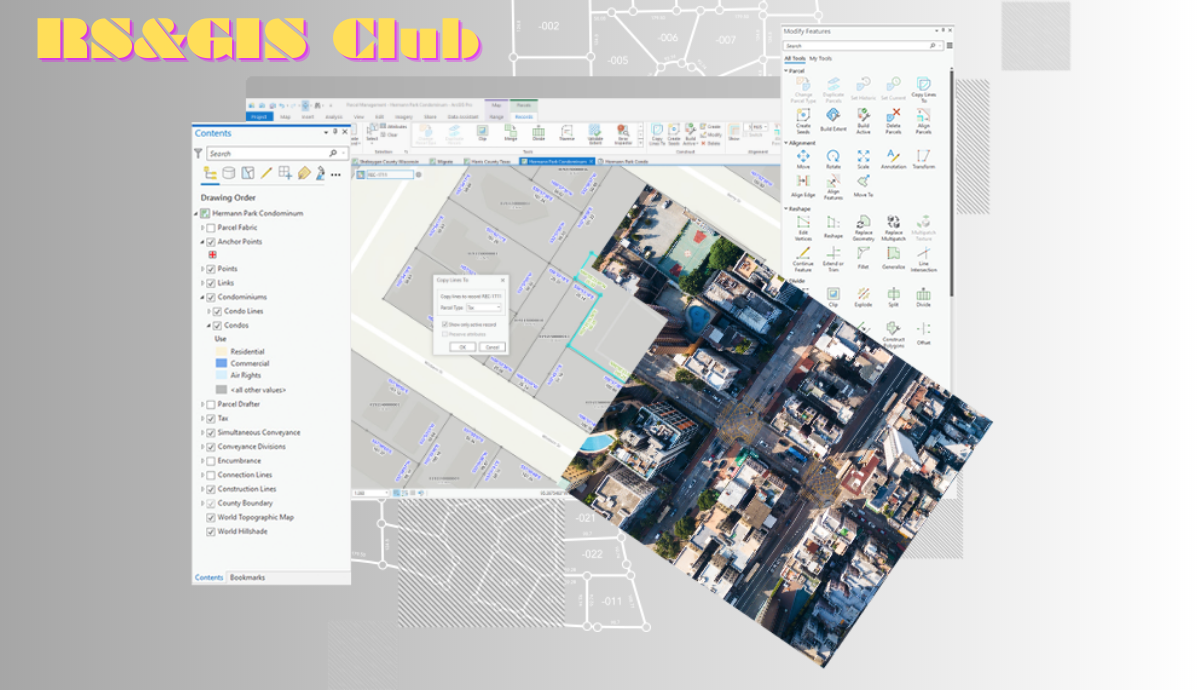
Clip Analysis is a powerful tool used in GIS (Geographic Information System) to extract specific data from a larger dataset. In ArcMap, the Clip tool allows users to extract data from one layer based on the spatial boundaries of another layer. This can be particularly useful when working with large datasets, as it allows users … Read more

Exploring ArcGIS Online: Features, Benefits, and Use Cases

ArcGIS Online is a web-based geographic information system (GIS) platform developed by Esri, a global leader in GIS technology. It enables users to access and share maps, data, and applications through a cloud-based platform. ArcGIS Online provides users with the ability to create, edit, and analyze maps and data, as well as to collaborate with … Read more

Understanding ArcGIS Shapefile Formats: Types, Extensions, and Usage

Geographic information systems (GIS) have revolutionized the way we work with spatial data. GIS software allows us to store, analyze, and visualize geographic data in ways that were once impossible. One of the most popular geospatial data formats used in GIS software is the shapefile. What is a Shapefile? A shapefile is a geospatial vector … Read more

Exploring the Power of Python in GIS

Python is a high-level programming language widely used in Geographic Information Systems (GIS) due to its versatility and ease of use. It is an open-source language with a large and active community that has developed numerous GIS libraries and tools, making it a popular choice among GIS professionals. GIS is the analysis and visualization of … Read more

The Importance of Metadata in GIS: Understanding and Managing Spatial Data

metadata

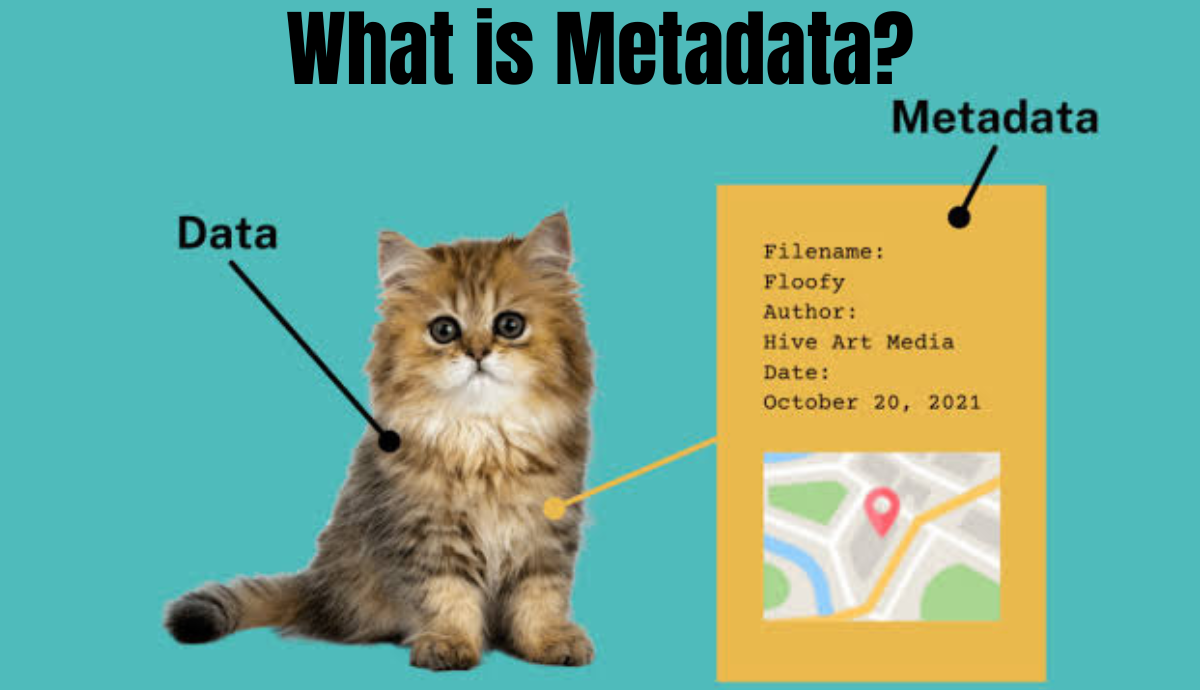
In GIS (Geographic Information System), metadata refers to information about the geographic data or spatial data. It is essentially data that provides context to other data. GIS metadata can include a variety of information about the geographic data, such as: Basic information about the data (e.g., title, author, date created, and purpose of the data) … Read more

Understanding the Importance of Coordinate Systems in GIS Analysis

Understanding the Importance of Coordinate Systems in GIS Analysis

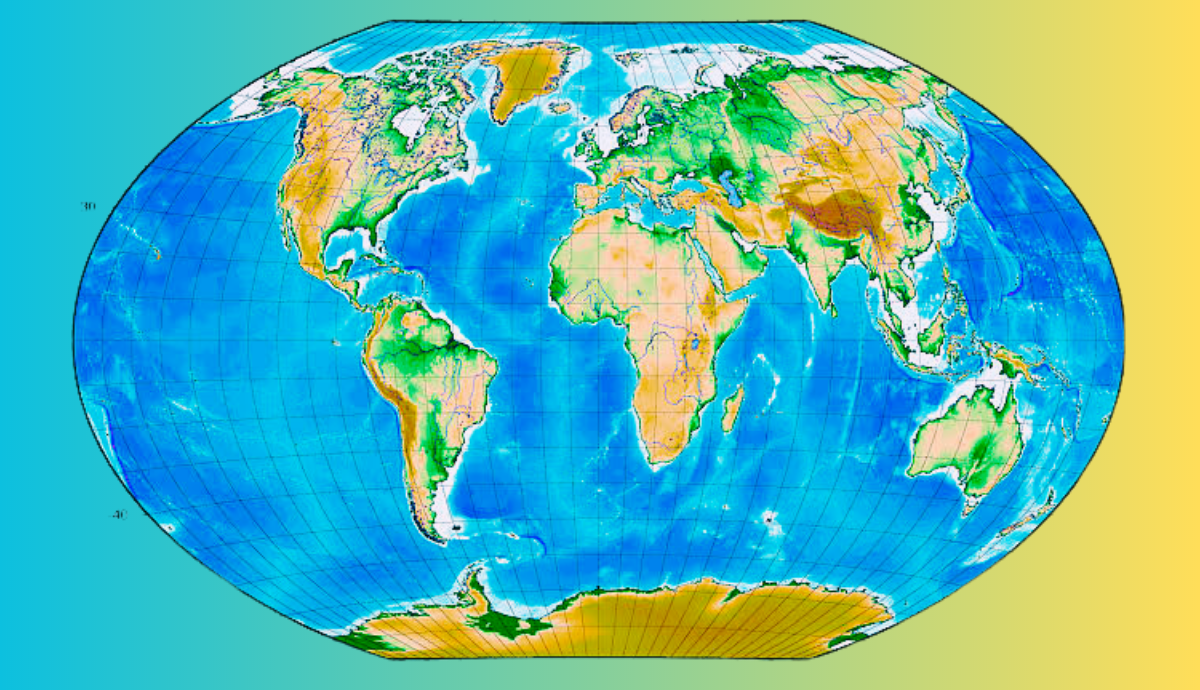
Geographic Information Systems (GIS) are powerful tools used for managing and analyzing spatial data. At the heart of GIS is the concept of a coordinate system, which is a fundamental component that allows GIS users to accurately locate and analyze geographic features. A coordinate system is a reference framework used to define the position of … Read more

Understanding the Differences Between a Database and a Spatial Database

Understanding the Differences Between a Database and a Spatial Database

A database is an organized collection of data that is stored and accessed electronically. It is designed to store and manage large amounts of information efficiently, and provide fast and easy access to that information when needed. A spatial database is a database that is optimized for storing and querying spatial or geographic data. It … Read more

The Power of Mapping: How GIS Technology is Transforming Real Estate Analysis and Development

The Power of Mapping: How GIS Technology is Transforming Real Estate Analysis and Development

Urban planning and development are complex processes that involve many different factors, such as land use, transportation networks, environmental impacts, and social and economic considerations. Geospatial analysis provides a powerful set of tools to analyze and visualize spatial data, which can help urban planners and policymakers make informed decisions and create more livable, sustainable, and … Read more

Geospatial Analysis in Urban Planning: Tools for Creating Livable, Sustainable, and Equitable Cities

Geospatial Analysis in Urban Planning: Tools for Creating Livable, Sustainable, and Equitable Cities.

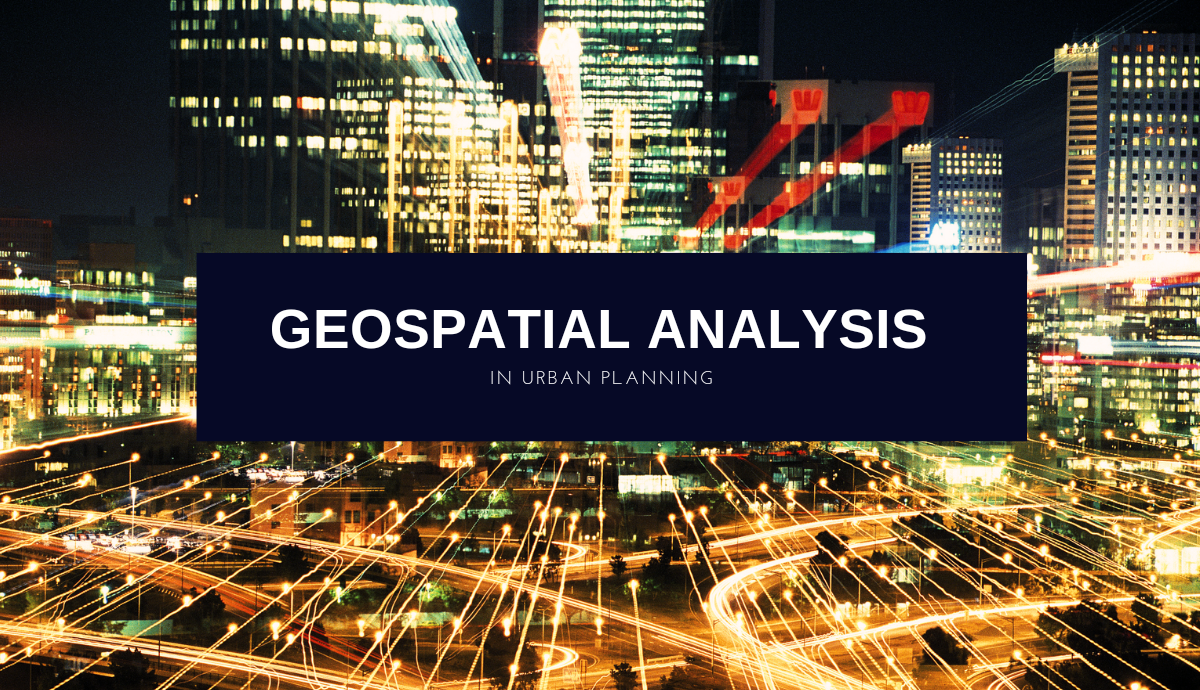
Urban planning and development are complex processes that involve many different factors, such as land use, transportation networks, environmental impacts, and social and economic considerations. Geospatial analysis provides a powerful set of tools to analyze and visualize spatial data, which can help urban planners and policymakers make informed decisions and create more livable, sustainable, and … Read more

Understanding GIS: Components and Applications

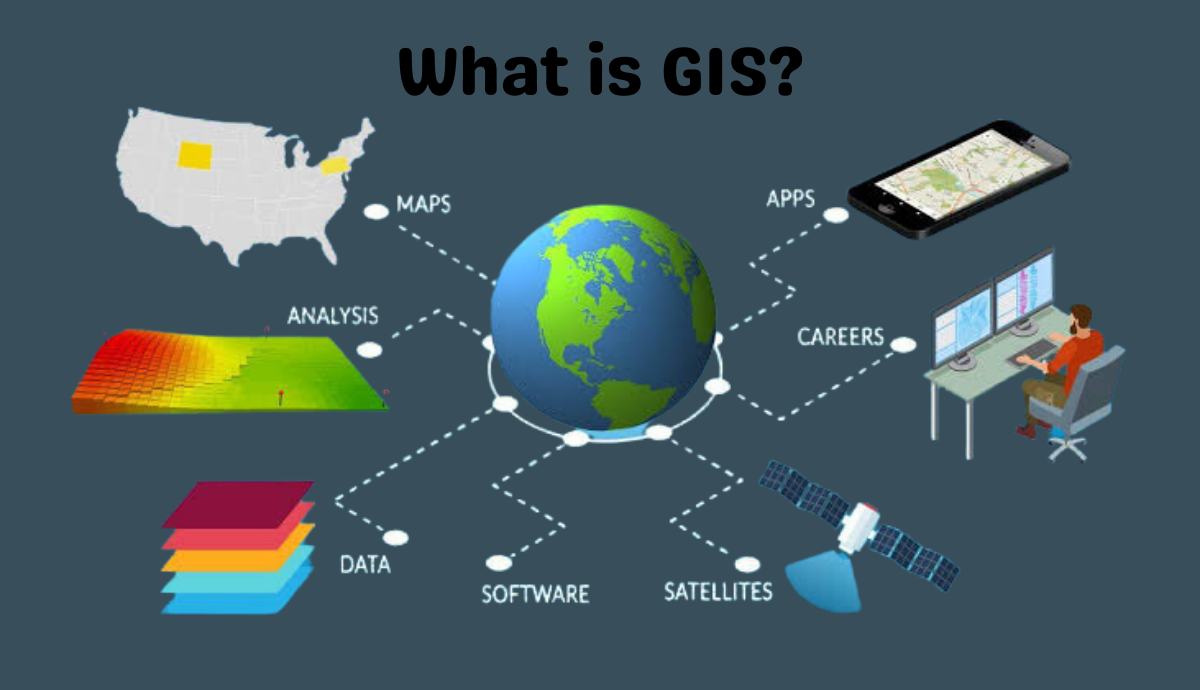
GIS stands for Geographic Information System, which is a computer-based system designed to capture, store, analyze, manage and display spatial or geographic data. GIS combines hardware, software, and data to allow users to visualize and understand patterns, relationships, and trends in the real world that are linked to a particular location or place. GIS technology can be used in a variety of fields, such as environmental management, urban planning, natural resource management, transportation planning, emergency management, and many others. GIS can help in making informed decisions, identifying patterns and trends, assessing risks, and providing solutions to complex problems by integrating various types of data such as satellite imagery, aerial photographs, GPS data, and others. In short, GIS provides a powerful set of tools to capture, store, manipulate, and analyze spatial data, which can help in better decision-making and planning in many different fields.

GIS stands for Geographic Information System, which is a computer-based system designed to capture, store, analyze, manage and display spatial or geographic data. GIS combines hardware, software, and data to allow users to visualize and understand patterns, relationships, and trends in the real world that are linked to a particular location or place. GIS technology … Read more