
Geospatial Analysis in Urban Planning: Tools for Creating Livable, Sustainable, and Equitable Cities
Geospatial Analysis in Urban Planning: Tools for Creating Livable, Sustainable, and Equitable Cities.

Urban planning and development are complex processes that involve many different factors, such as land use, transportation networks, environmental impacts, and social and economic considerations. Geospatial analysis provides a powerful set of tools to analyze and visualize spatial data, which can help urban planners and policymakers make informed decisions and create more livable, sustainable, and … Read more
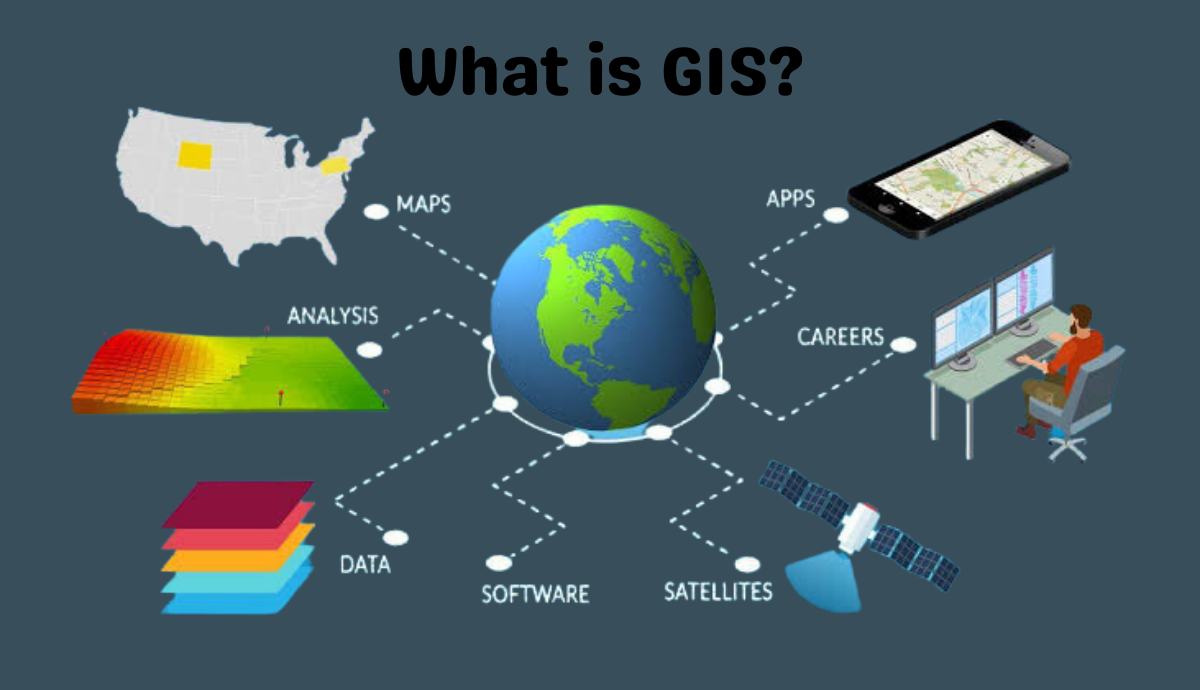
Understanding GIS: Components and Applications

GIS stands for Geographic Information System, which is a computer-based system designed to capture, store, analyze, manage and display spatial or geographic data. GIS combines hardware, software, and data to allow users to visualize and understand patterns, relationships, and trends in the real world that are linked to a particular location or place. GIS technology can be used in a variety of fields, such as environmental management, urban planning, natural resource management, transportation planning, emergency management, and many others. GIS can help in making informed decisions, identifying patterns and trends, assessing risks, and providing solutions to complex problems by integrating various types of data such as satellite imagery, aerial photographs, GPS data, and others. In short, GIS provides a powerful set of tools to capture, store, manipulate, and analyze spatial data, which can help in better decision-making and planning in many different fields.

GIS stands for Geographic Information System, which is a computer-based system designed to capture, store, analyze, manage and display spatial or geographic data. GIS combines hardware, software, and data to allow users to visualize and understand patterns, relationships, and trends in the real world that are linked to a particular location or place. GIS technology … Read more